How Middlesex General Contractor Is the Trusted Option for Home Improvements
Constructing Success: How General Contractors Transform Your Projects Into Reality
General contractors are crucial in the construction industry, functioning as the backbone in project execution. They handle diverse elements, from organizing subcontractors to securing compliance with regulations. Their expertise not only improves processes but also aids in keeping budgetary constraints. However, the nuances of their role extend beyond mere management. Understanding how they manage challenges and foster collaboration can expose the keys to successful project outcomes. What strategies do they use to guarantee every aspect aligns with client expectations?
Comprehending the Role of General Contractors in Construction
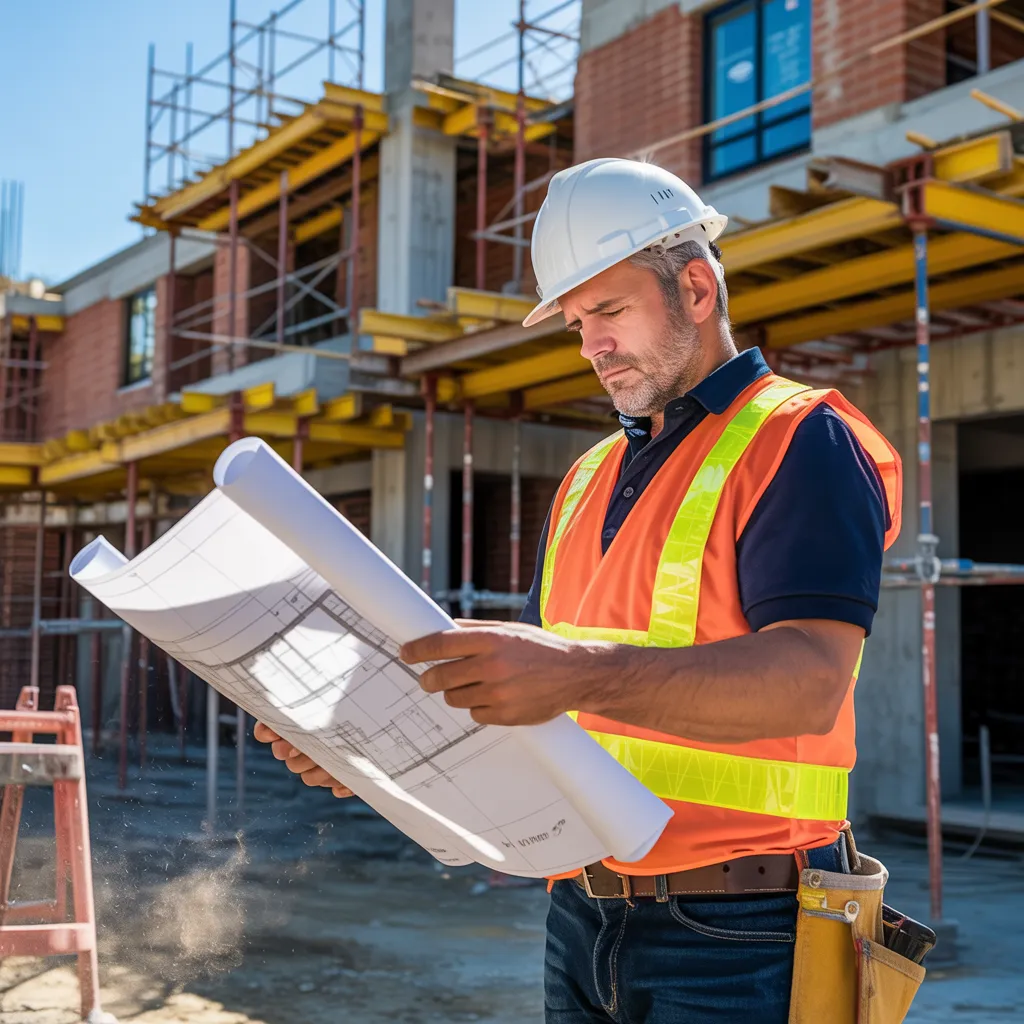
Although many individuals might not fully grasp the detailed nature of the construction industry, the function of general contractors is essential in securing project success. General contractors function as the key point of contact for clients, directing the whole construction process from inception to completion. They are tasked with overseeing subcontractors, managing schedules, and securing compliance with local regulations and safety standards.
A general contractor's professional knowledge helps them address obstacles that might occur during construction, such as budgetary restrictions and unanticipated delays. Moreover, they streamline communication among diverse participants, such as architects, engineers, and clients, to sustain project harmony. Furthermore, general contractors are responsible for sourcing materials and overseeing on-site operations, which are essential for sustaining workflow productivity. Through harnessing their skills and industry experience, general contractors perform a vital part in realizing project objectives, consequently advancing the comprehensive success of construction ventures.
Key Phases in Project Management for Contractors
Effective project management is essential for general contractors to guarantee the successful execution of construction projects. The process generally begins with project initiation, where contractors determine project goals see this article and scope. Next, planning includes creating timelines, setting milestones, and identifying necessary resources. This stage is fundamental for aligning expectations among stakeholders.
After planning is finished, the execution phase commences, where contractors coordinate teams, manage subcontractors, and oversee day-to-day operations to maintain adherence to the project schedule. Regular monitoring and controlling ensue, permitting contractors to evaluate progress, address issues, and implement needed adjustments.
In conclusion, project closure involves final inspections, obtaining approvals, and making certain all contractual obligations are met. This stage also involves documenting lessons learned, which aids in future project success. By following these vital stages, general contractors can efficiently manage projects, securing they meet quality standards and deadlines while fostering positive relationships with clients and stakeholders.
Cost Control and Budgeting Approaches for General Contractors
Budgeting and cost control are critical for general contractors to maintain project success and profitability. Sound fiscal planning builds the foundation for financial stability, while financial oversight strategies permit adjustments throughout the project lifecycle. Together, these strategies help mitigate risks and keep projects on track.
Effective Budget Planning
Strategic budget planning is crucial for general contractors aiming to complete projects within financial constraints. This process starts with a thorough assessment of project requirements, including labor, materials, and equipment costs. By developing a thorough budget that outlines anticipated expenses, contractors can foresee potential financial challenges. Effective budget planning also involves soliciting multiple bids from subcontractors to secure competitive pricing. Additionally, incorporating a contingency fund allows for unforeseen expenses without jeopardizing the project. Consistently updating the budget as the project progresses helps maintain financial control. By focusing on accurate forecasting and careful cost estimation, general contractors can not only comply with their budgets but also boost overall project efficiency and client satisfaction.
Cost Monitoring Techniques
Monitoring cost techniques are indispensable for general contractors looking to maintain financial control throughout the lifespan of a project. Sound budgeting and cost control strategies empower contractors to track expenditures, project potential overruns, and adapt plans accordingly. Regularly updating cost estimates and comparing them against actual spending permits timely decision-making. Using software tools can streamline this process, providing real-time data analysis and reporting. Additionally, implementing a change order management system helps to document and control any modifications in project scope, limiting unexpected costs. Routine financial reviews with stakeholders maintain transparency and accountability. By employing these techniques, general contractors can boost project efficiency, ultimately resulting in improved profitability and successful project completion.
The Way Contractors Handle Regulatory Permits and Requirements
Working through the maze of permits and regulations is a crucial aspect of a contractor's role in any construction project. Contractors must maintain a complete understanding of local, state, and federal requirements to guarantee compliance and avoid costly delays. They commence by investigating necessary permits and zoning laws applicable to the project location, building a foundation for adherence to legal standards.
After the needed permits are determined, contractors frequently collaborate with architects and engineers to prepare the necessary documentation, ensuring all designs satisfy regulatory standards. They also play a vital role in submitting applications and coordinating with government agencies, effectively managing the bureaucratic processes involved.
Furthermore, contractors stay informed about changes in regulations and building codes, permitting them to proactively modify project plans when needed. This meticulous thoroughness not only streamlines the permitting process but also safeguards the project against potential legal complications down the line.
Why Smart Scheduling Is Vital for Project Success
Sound scheduling operates as the backbone of any construction project, ensuring that tasks are executed within appropriate timeframes and resources are used effectively. A well-structured schedule allows general contractors to delineate project timelines, allocate resources optimally, and coordinate various activities without disruption. By establishing clear deadlines, contractors can monitor progress, identify potential delays, and implement corrective measures quickly.
Moreover, effective scheduling encourages improved communication among team members, enhancing collaboration and limiting misunderstandings. It allows for the timely procurement of materials and the punctual arrival of labor, which are critical for sustaining project momentum. Moreover, an all-encompassing schedule incorporates contingencies, aiding in reduce risks related to unforeseen challenges.
In the end, effective scheduling not only encourages adherence to deadlines and budget constraints but also contributes to the overall quality of the construction project. Prioritizing this aspect can significantly influence the success and satisfaction of all stakeholders involved.
How General Contractors Collaborate With Subcontractors and Suppliers
During the management of a construction project, general contractors should establish strong collaborative relationships with subcontractors and suppliers to secure the project's success. Effective collaboration begins with clear communication, ensuring that all parties grasp their roles, responsibilities, and timelines. General contractors typically conduct pre-construction meetings to coordinate expectations and address any potential challenges.
Moreover, general contractors harness subcontractors' specialized skills to improve project efficiency. By choosing subcontractors with proven expertise, they ensure that each aspect of the project is executed to high standards. Regular check-ins and progress updates also promote collaboration, permitting timely adjustments and problem-solving.
Suppliers play a vital role as well; general contractors cultivate relationships with dependable suppliers to ensure timely delivery of materials. This partnership between subcontractors and suppliers aids in reducing delays and promotes adherence to project schedules, eventually leading to successful project completion and client satisfaction.
Maintaining Quality Control and Client Satisfaction Across the Project
Maintaining quality control and client satisfaction is essential for general contractors throughout a project's lifecycle. Establishing robust quality assurance processes, delivering regular progress updates, and maintaining open communication channels are essential components of this process. These strategies not only enhance project outcomes but also build trust between contractors and their clients.
Quality Control Methods
Implementing robust quality assurance processes is crucial for general contractors to maintain high standards and secure client satisfaction throughout a project. These processes involve systematic inspections and assessments at various stages of construction. By creating clear benchmarks and quality metrics, contractors can ascertain that all work complies with industry standards and client specifications. Regular training and certification for workers also strengthen quality control, fostering a culture of excellence on-site. Furthermore, utilizing reliable suppliers and subcontractors contributes to overall project integrity. Tracking every phase of the construction process provides transparency and accountability, empowering contractors to address any issues promptly. Ultimately, effective quality assurance protocols not only safeguard the project's success but also foster lasting relationships with clients through trust and reliability.
Regular Progress Updates
Robust quality assurance methods establish the importance of regular progress updates in construction projects. These updates operate as vital checkpoints, enabling general contractors to oversee the progression of work against the established timeline and budget. By systematically evaluating project milestones, contractors can spot potential issues before they worsen, ensuring that quality standards are sustained. Regular progress updates also promote a sense of accountability among team members, promoting a culture of excellence throughout the project. Additionally, they supply clients with essential insights into the ongoing construction process, improving their understanding and satisfaction. Eventually, these updates are crucial for maintaining transparency, managing expectations, and making certain that the final deliverable corresponds to the client's vision and requirements.
Direct Communication Networks
Throughout the construction phase, maintaining open communication channels is essential for maintaining quality control and ensuring client satisfaction. General contractors facilitate this by establishing regular check-ins and feedback loops among all stakeholders, including clients, subcontractors, and suppliers. These interactions permit the timely identification of issues, allowing swift resolutions that prevent delays and maintain project integrity. Additionally, transparency in communication fosters trust, empowering clients to voice concerns and suggestions throughout the project lifecycle. By leveraging digital tools and platforms, contractors can streamline information sharing, making certain that everyone remains informed and aligned with project goals. Ultimately, effective communication not only enhances quality control but also reinforces the overall client experience, leading to successful project outcomes.
Frequently Asked Questions
What Qualifications Do I Need to Look for in a General Contractor?
In selecting a general contractor, it's essential to prioritize qualifications like proper licensing, insurance coverage, strong references, relevant experience, effective communication skills, and a proven track record of delivering projects within budget and on schedule.
In What Ways Do General Contractors Manage Surprise Project Difficulties?
General contractors tackle unexpected project challenges through strategic problem-solving, effective communication with stakeholders, and utilizing their experience. They adjust plans, efficiently manage resources, and often partner with specialists to discover suitable solutions, guaranteeing project continuity.
Am I Allowed to Communicate Directly With Subcontractors During the Project?
Directly contacting with subcontractors during a project is typically discouraged, as it can lead to confusion and mismanagement. In contrast, it is advisable to engage through the general contractor to maintain organization and clarity throughout the project.
What Warranty Coverage Do General Contractors Normally Offer on Their Work?
General contractors commonly provide warranties ranging from one to ten years, covering workmanship, materials, and structural integrity. Such warranties ensure that all problems or defects that emerge within the specified period will be addressed promptly.
How Should I Review a Contractor's Track Record of Success?
To gauge a contractor's past project success, one should assess completed projects, check client testimonials, evaluate adherence to budgets and timelines, and confirm the quality of workmanship through site visits or photos of previous work.